Table of content:
The Forest Hills Advantage
Forest Hills History: From Farm Fields to NYC's Village
Where Exactly Is Forest Hills?
Getting Around Forest Hills
Housing Market: What You Can Afford in Forest Hills
Frequently Asked Questions About Forest Hills
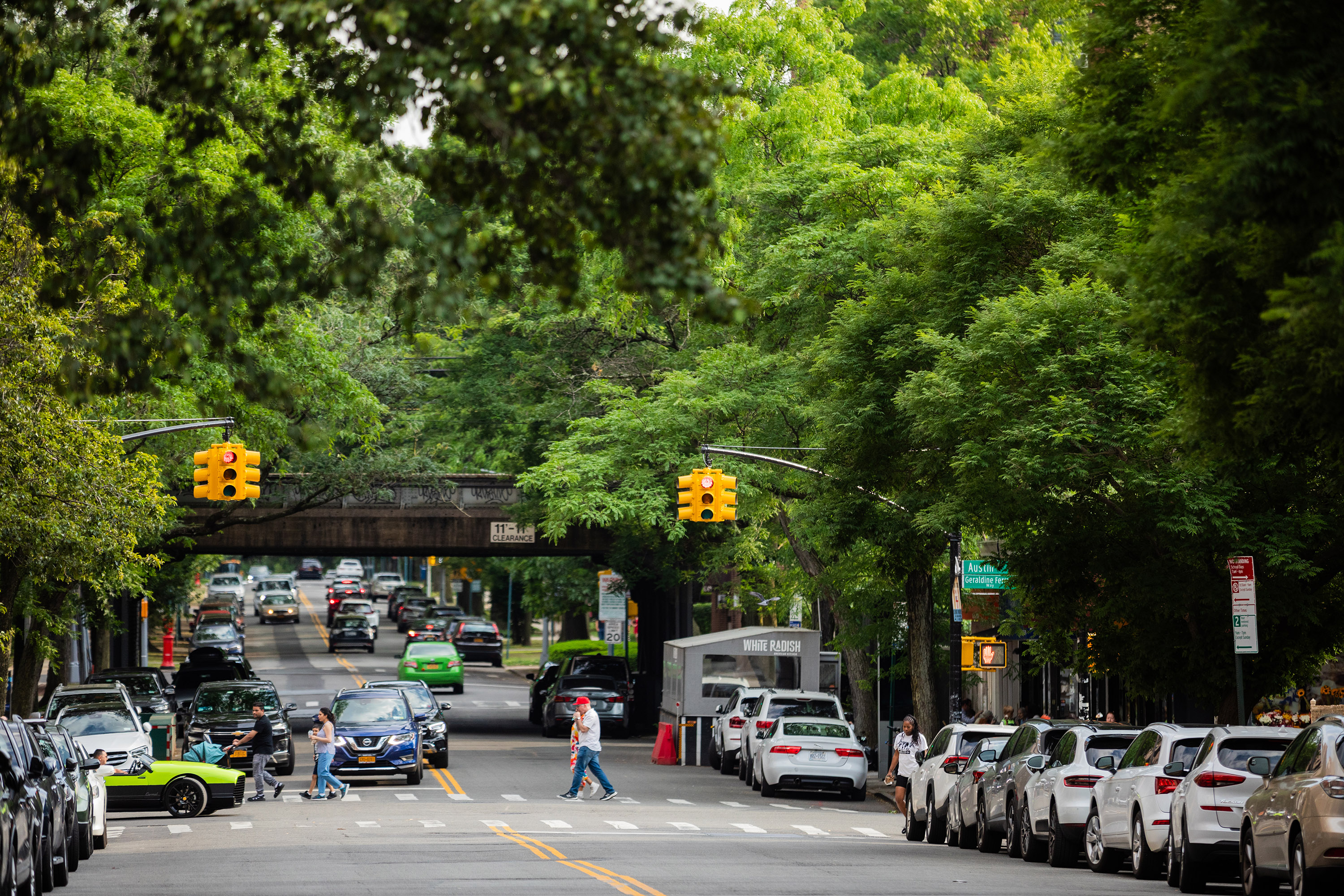
Considering Forest Hills? This elegant Queens neighborhood combines tree-lined streets, Tudor architecture, and small-town charm with express subway access to Manhattan. Whether you're a growing family, young professional, or retiree seeking walkable urban living with a village atmosphere, this comprehensive guide reveals why Forest Hills remains one of New York City's most coveted residential neighborhoods.
Architectural diversity - Tudor estates, pre-war co-ops, modern condos
Express subway to Manhattan (E, F, M, R trains) - 20 minutes to Midtown
Austin Street shopping district - 100+ restaurants, shops, and services
Top-rated schools - including Forest Hills High School
Forest Park access - 538 acres of nature at your doorstep
Historic Forest Hills Gardens - landmark planned community from 1909
Village atmosphere - walkable, safe, community-oriented
Long before Forest Hills became one of New York's most prestigious addresses, the area was farmland in central Queens. The neighborhood's modern identity began to take shape in the early 20th century, with its transformation accelerating dramatically in 1909 when the Russell Sage Foundation commissioned a landmark planned community.
Forest Hills Gardens: A Planned Community from 1909
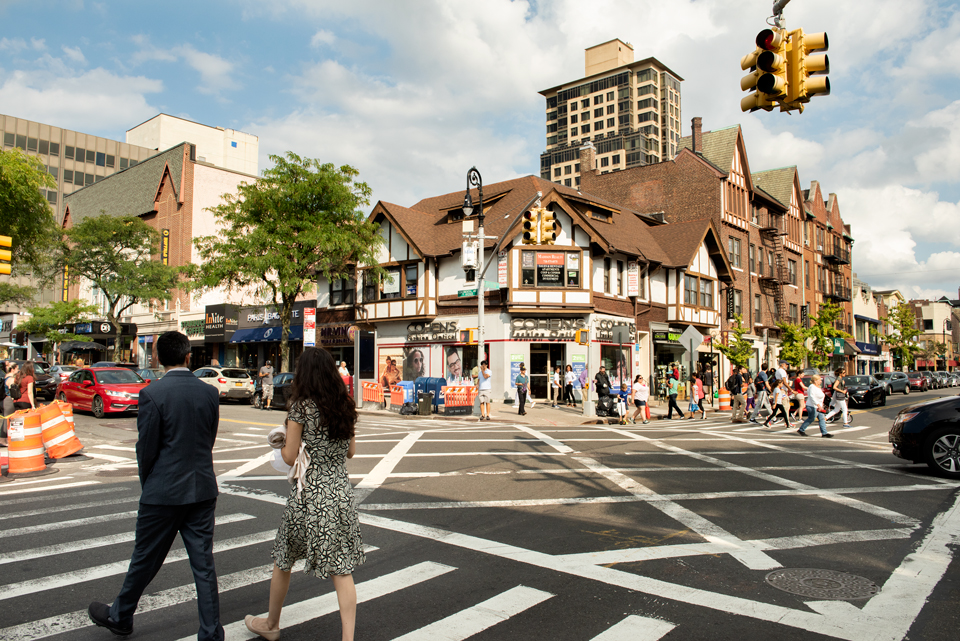
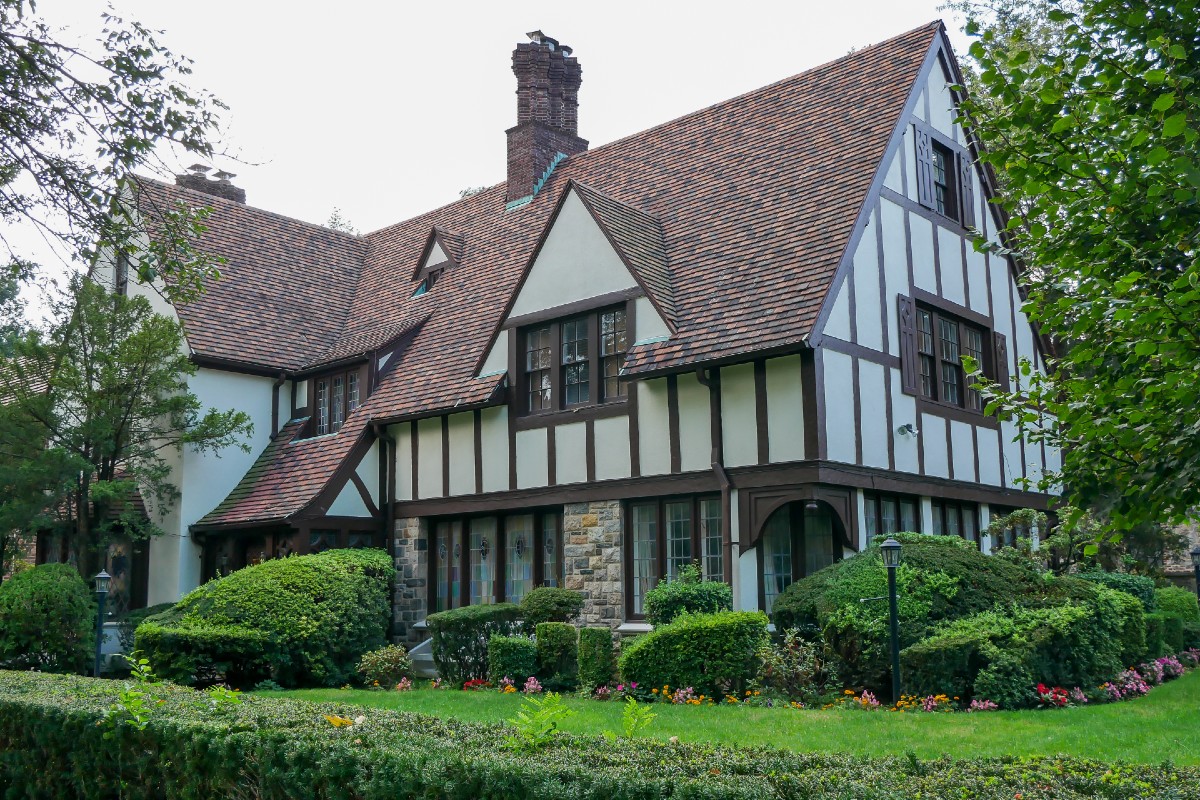
Forest Hills Gardens, often called simply "the Gardens", is among the oldest planned communities in the United States and a designated New York City landmark. Designed by landscape architect Frederick Law Olmsted Jr. (son of the creator of Central Park) and architect Grosvenor Atterbury, the Gardens were conceived as a model community of winding streets, shared green spaces, and English Tudor architecture. The Station Square entrance, with its half-timbered buildings surrounding a central plaza, remains one of the most photographed streetscapes in all of Queens.
Owning a home in Forest Hills Gardens carries significant cachet, and a price tag to match. The community maintains its own private roads, a neighborhood association, and strict architectural guidelines that have preserved its character for over a century.
The Subway Arrives & the Neighborhood Matures
The extension of subway service to Forest Hills in the mid-20th century accelerated residential development, giving rise to the elegant pre-war co-op buildings that line Queens Boulevard and its side streets. These six- to fifteen-story buildings with ornate lobbies, hardwood floors, and thick plaster walls remain among the most sought-after residences in the neighborhood today.
Forest Hills occupies a prime location in central Queens, roughly surrounded by:
North: Rego Park & Corona
East: Kew Gardens Hills
West: Middle Village
South: Kew Gardens & Forest Park
Forest Hills has a population of approximately 85,000 residents and offers spacious living, excellent transit access, and a calmer environment than many New York City neighborhoods, making it especially attractive to families and professionals seeking city access without Manhattan-level density.
Transit is one of Forest Hills' strongest selling points. The neighborhood is served by both the New York City Subway and the Long Island Rail Road, making it one of the best-connected residential neighborhoods in all of Queens.
Subway Service (E, F, M, R Lines)
71st Avenue–Continental Avenue Station
Forest Hills' main transit hub
Express E and F trains to Manhattan (game-changer for commuters)
Station plaza with shops, restaurants, and services
5-minute walk from Austin Street
Forest Hills–71st Avenue LIRR Station
Long Island Rail Road service
Express trains to Penn Station (15 minutes)
Connection to Long Island destinations
Monthly passes available
Destination
Travel Time
Midtown Manhattan (Rockefeller Center)
18-22 minutes (express trains)
Lower Manhattan (World Trade Center)
30-35 minutes
Long Island City
10 minutes
Brooklyn (Downtown)
35-40 minutes
JFK Airport (via LIRR AirTrain)
20 minutes
Bus Service: Extensive bus network connecting to other Queens areas including Q23, Q60, Q64 (local routes), Q10 (to JFK Airport), and express buses to Manhattan.
Driving & Parking: Long Island Expressway and Grand Central Parkway provide highway access. Jackie Robinson Parkway connects to Brooklyn. Most buildings offer parking (with waitlists). Street parking easier than Rego Park or Astoria. Resident parking permits available in some zones.
Forest Hills is one of Queens' most walkable neighborhoods.
Forest Hills offers a diverse real estate market ranging from entry-level co-op studios to multi-million-dollar single-family estates in Forest Hills Gardens. Understanding the different property types and the important distinction between co-ops and condos, is essential before beginning your search.
Purchase Prices (2026 Estimates)
Property Type
Price Range
Co-op Studio/1BR
$300,000–$500,000
Co-op 2BR
$450,000–$750,000
Co-op 3BR
$650,000–$1,000,000+
Condo 1BR
$500,000–$700,000
Condo 2BR
$700,000–$1,000,000
Single-Family (Gardens)
$1,500,000–$3,500,000+
Rental Studio
$1,800–$2,300/month
Rental 1BR
$2,200–$2,800/month
Rental 2BR
$2,800–$3,800/month
Rental Prices (2026)
Property Type
Price Range
Studio
$1,800 – $2,300
1 Bedroom
$2,200 – $2,800
2 Bedroom
$2,800 – $3,800
3 Bedroom
$3,500 – $5,000+
Co-op vs. Condo: What's the Difference?
The majority of Forest Hills apartments are co-operatives (co-ops), not condominiums. When you buy a co-op, you're purchasing shares in a corporation that owns the building — not the unit itself. This means you must be approved by the building's board, which typically reviews your financials, references, and plans for the unit. Some Forest Hills co-op boards are famously rigorous; others are more straightforward.
Condos are closer to traditional ownership — you own the unit outright and face no board approval. They tend to carry higher purchase prices but offer more flexibility, including easier subletting. If you're purchasing with financing or plan to rent out the unit in the future, a condo may better suit your needs.
Monthly maintenance fees on co-ops typically run $600–$1,500/month depending on building size and services, and often include property taxes, heat, and water. Factor this into your true monthly cost of ownership.
Forest Hills represents a rare combination: established neighborhood character, architectural quality, express Manhattan access, and genuine community—all without Manhattan price tags. For families seeking excellent schools, professionals valuing commute efficiency, or anyone appreciating classic New York neighborhood living, Forest Hills delivers.
Whether you're buying, selling, or simply exploring, expert guidance ensures you understand Forest Hills' distinct market dynamics, building quality variations, and school zone boundaries that dramatically affect property values.
Take the Next Step
For Buyers:
Get pre-qualified (understand your Forest Hills budget)
Review current listings (see what's available in your price range)
Learn co-op vs. condo implications (which structure suits your needs)
Understand school zones (if families are part of your plans)
For Sellers:
Get free market analysis (what's your property worth today)
Review comparable sales (recent Forest Hills transactions)
Learn board package preparation (ensuring smooth buyer approval)
Living in Forest Hills
Q: Is Forest Hills really safer than other Queens neighborhoods?
Yes, Forest Hills consistently ranks among Queens' safest neighborhoods with crime rates significantly below borough and city averages. The residential character, active community, and well-lit streets contribute to safety.
Q: How does the commute to Manhattan compare to Brooklyn?
Forest Hills' express E and F trains reach Midtown in 20-22 minutes—faster than many Brooklyn neighborhoods like Park Slope (30+ minutes) or Williamsburg (25-30 minutes). The express service is a major advantage.
Q: What makes Forest Hills Gardens special?
Forest Hills Gardens is a 1909 planned community designed by the Olmsted Brothers featuring Tudor architecture, private streets, and strict preservation rules. It's a National Historic Landmark and the most prestigious Forest Hills address, commanding 40-60% premiums.
Housing & Real Estate
Q: Why are Forest Hills prices higher than Rego Park?
Forest Hills commands premiums due to established reputation, architectural character (pre-war charm, Forest Hills Gardens), better schools, Austin Street shopping, and perceived prestige. Buyers pay for neighborhood quality and stability.
Q: Are Forest Hills co-ops difficult to buy into?
Board approval can be stringent in some buildings, particularly pre-war buildings and those in Forest Hills Gardens. Strong financials, good references, and complete applications are essential. Work with an experienced local agent to make this process easier.
Q: Do Forest Hills properties appreciate well?
Steady, moderate appreciation (3-5% annually). Not a "hot" neighborhood with rapid spikes, but stableestablished market. School quality and express trains support long-term values.
Lifestyle & Culture
Q: Is Forest Hills good for young professionals without kids?
Mixed. Great for professionals valuing commute, walkability, and quality of life. Less ideal for those prioritizing nightlife, trendy scenes, or younger demographics. Many young professionals live here before starting families
Q: Can I walk everywhere or do I need a car?
Most daily needs are walkable on Austin Street. Car is helpful for big shopping trips (Costco in Rego Park),
weekend outings, or travel outside Queens, but not essential for daily life.
Investment Questions
Q: Is Forest Hills a good investment?
Solid, stable investment with moderate appreciation and consistent rental demand. Not highest-return area (emerging neighborhoods appreciate faster) but low risk with steady returns. Best for long-term holds (7+years).
Forest Hills Is Ideal If You:
Value safety and low crime rates
Plan to stay long-term (5+ years to justify premium pricing)
Seek village atmosphere with community identity
Value architectural charm and historic character over modern minimalism
Prioritize excellent schools and family-friendly atmosphere
Prefer established, stable neighborhood over trendy, evolving areas
Forest Hills represents a rare combination: established neighborhood character, architectural quality, express Manhattan access, and genuine community—all without Manhattan price tags. For families seeking excellent schools, professionals valuing commute efficiency, or anyone appreciating classic New York neighborhood living, Forest Hills delivers.
Whether you're buying, selling, or simply exploring, expert guidance ensures you understand Forest Hills' distinct market dynamics, building quality variations, and school zone boundaries that dramatically affect property values.
Lillian Vucic
Licensed Real Estate Salesperson
Queens & Forest Hills Expert Since 2018
Serving: Forest Hills, Malba, Whitestone, Sunnyside, Rego Park, Astoria, College Point, and so on.
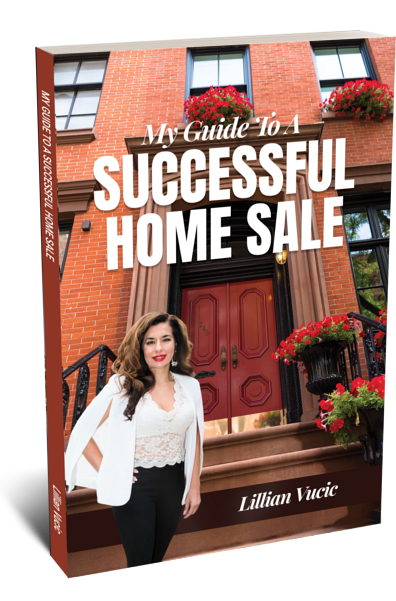
Download Lillian's Guide for a
Free Successful Home Sale ✦
Inside, you'll discover the insider secrets to marketing your home, generating maximum buyer interest, and negotiating the best price and terms possible. We want to help home sellers get top dollar for their home. So, we're giving you access to everything covered inside this book for free.